
Why Deer Suddenly Seem to Be Everywhere in North Dakota
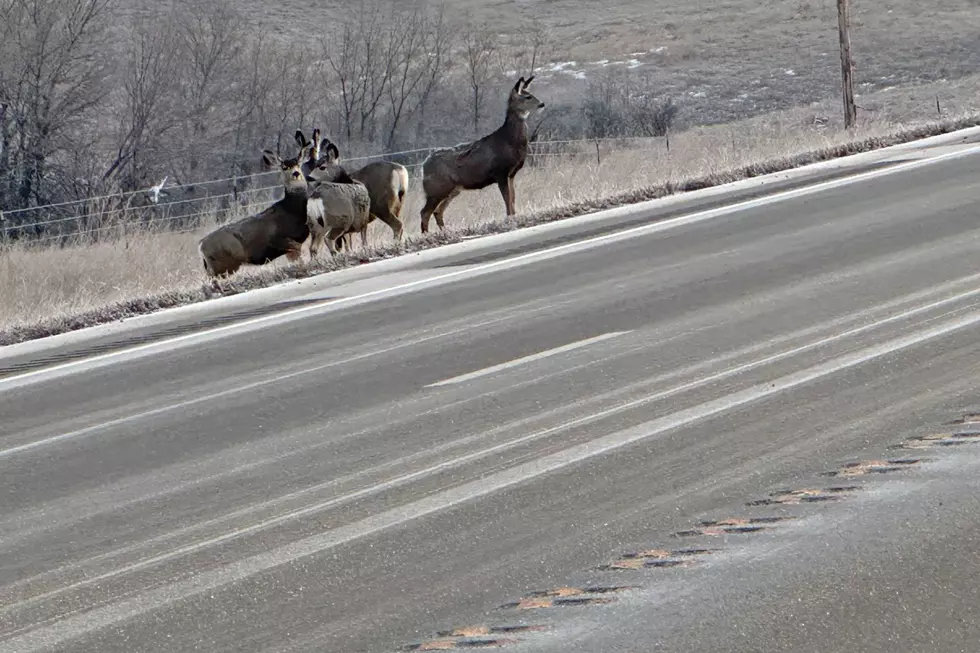
If you drive around western North Dakota much in the fall, you've probably had a close encounter with a deer.
I had two of them on the drive home this past weekend. I wasn't impaired, wasn't distracted and wasn't doing anything unusual. The deer simply seemed to appear out of nowhere.
There is a good reason deer can seem especially unpredictable this time of year.
According to the North Dakota Game and Fish Department, shorter days in the fall trigger significant changes in deer behavior, particularly among bucks as the rut approaches.

Bucks Have One Thing on Their Minds
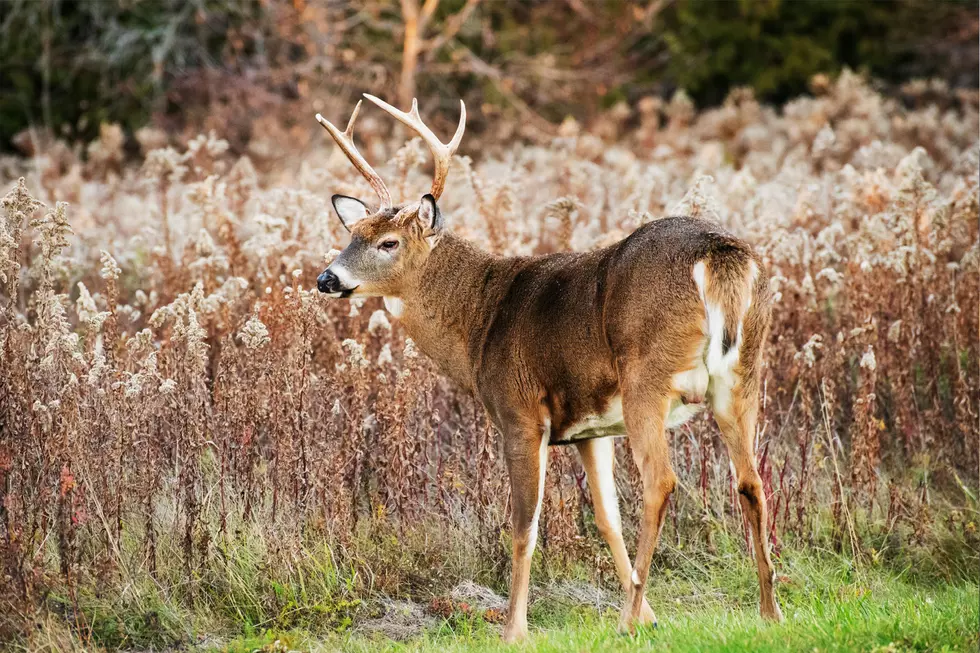
As testosterone levels rise, bucks leave their summer bachelor groups and become more focused on finding does. Their necks swell, their muscles become more pronounced and their antlers have hardened.
The result is more movement, and that can mean more deer crossing roads.
Deer are generally most active around dawn and dusk, but during the rut, bucks can be moving throughout the day as they search for does.
For whitetails in the Northern Plains, the rut generally runs from late October into December, with the peak typically occurring around November 15–20. Mule deer tend to rut a little later and can continue breeding into December.
Why Does the Rut Happen in the Fall?
Game and Fish big game biologist Bill Jensen explains that the primary trigger is the shortening length of daylight, known as photoperiod. The change in daylight causes hormonal changes that increase testosterone production in bucks.
There is also a bigger reason for the timing. Deer have evolved so fawns arrive during spring green-up, when food and cover are plentiful. For whitetails, most fawns are born around early June.
Read More: Where To See Fall Colors In North Dakota This Autumn
A Fall Reminder for Drivers and Hunters
With deer moving more during the rut, drivers should be especially alert during the fall months, particularly around dawn and dusk.
For hunters, the increased movement is one reason North Dakota's deer gun season has traditionally been scheduled in early November, when deer activity is increasing.
So whether you're sitting in a stand or sitting behind the wheel, keep an eye out. In North Dakota, fall means the deer are on the move.
Theodore Roosevelt National Park Offers So Many Beautiful Things To Enjoy
Gallery Credit: Scott Haugen
Feeding the Nation: A Look at North Dakota’s Most Valuable Crops
Gallery Credit: Scott Haugen